

Network & automation engineering
Infrastructure that runs itself, at scale.
We design and automate networks across edge, data center, cloud and wireless, plus the AI systems that run on them. Everything is built as code, so the hundredth site goes in the same way as the first.
What we do
One practice, from the switch port to the model.
Most infrastructure problems cross layers: a slow rollout is half a network problem and half a tooling problem. We work on both halves.
Network automation
Ansible, Terraform and CI pipelines that turn change windows into pull requests: tested, reviewed and repeatable.
Edge infrastructure
Fleets of remote sites and devices with zero-touch enrollment, secure tunnels and remote operations.
Data center fabrics
Leaf-spine designs on BGP EVPN/VXLAN, built from open standards and the right mix of new and secondary-market hardware.
Cloud & Kubernetes
Hybrid connectivity, GKE and K3s platforms, and the observability that tells you something broke before your users do.
Wireless & security
Segmented guest and production Wi-Fi, firewall policy as code, WireGuard VPNs and least-privilege access.
AI systems
On-device inference at the edge, the pipelines behind it, and AI-assisted operations for the teams that run the network.
Built for scale
Ten sites or ten thousand, the same way.
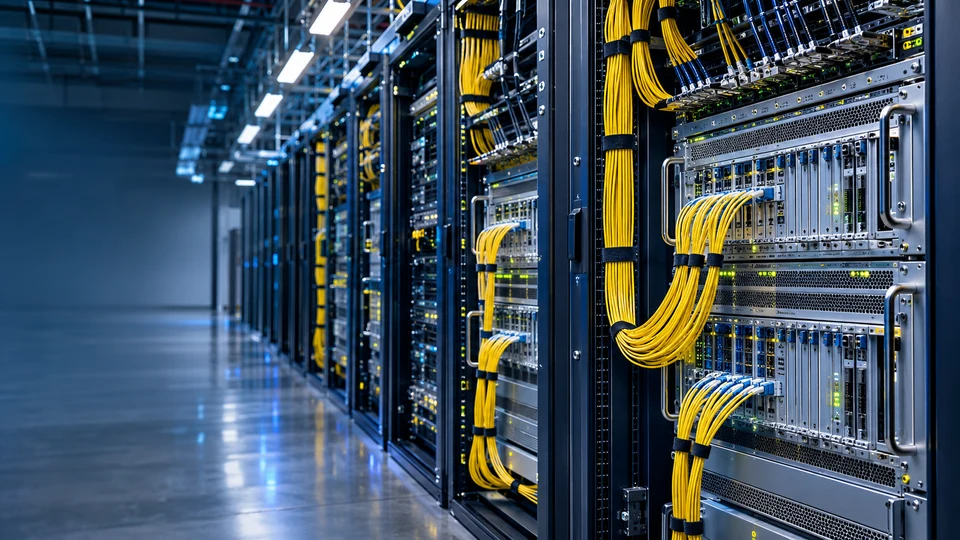
Growth breaks networks that depend on people remembering things. We design them so that adding a site, a rack or a region is a repeatable, tested step, not a project.
- Zero-touch onboarding for new sites and devices.
- Addressing, naming and policy derived from rules, not spreadsheets.
- Health and telemetry from the first deploy, so problems show up on a dashboard before they show up in a ticket.
Operations
See the network, not just the servers.
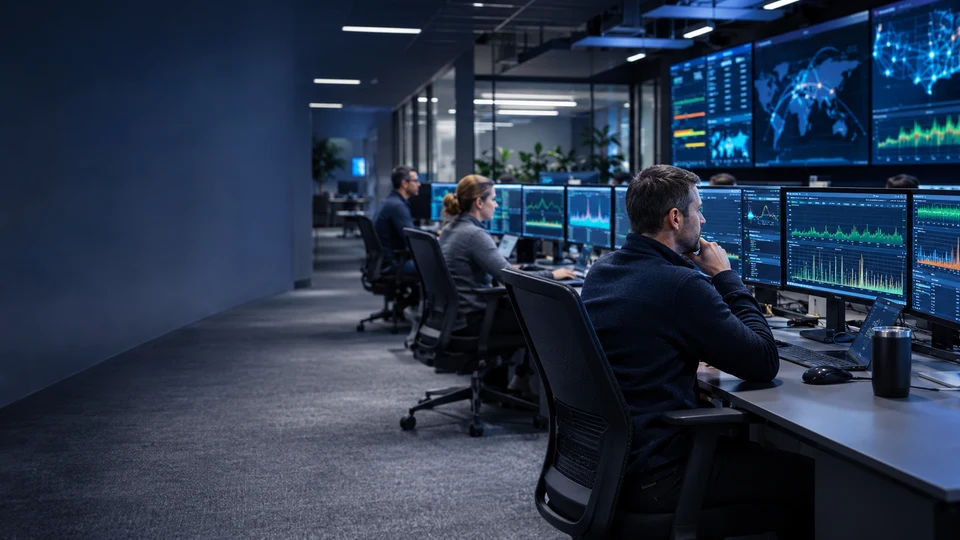
Most monitoring stops at the application. We wire switches, routers, firewalls and Wi-Fi into the same metrics, logs and alerts, so a slow app and a congested uplink show up on the same screen.
- Streaming telemetry and SNMP into Prometheus and Grafana
- Alerts tied to runbooks, not just thresholds
- Configuration drift detection against the source of truth
How we think
Simple networks are easier to automate.
Automate the common path first
Start with the change you make every week, not the one you make once a year. That is where the hours go.
Design for the thousandth device
If a step needs a person at a keyboard, it will not survive growth. Naming, addressing and onboarding come from rules.
Open standards, no lock-in
BGP, EVPN, WireGuard, Linux. Your next hardware decision should be about price and fit, not about escaping a vendor.
Observable by default
Metrics, logs and health checks ship with the first deploy, not after the first outage.
Working together
You keep the code.
Every engagement ends with a repository your team can run without us: playbooks, docs and tests included.

Assess
A short review of your network, tooling and pain points, with a written plan you can act on with or without us.
Design
Topology, addressing, security zones and the automation model, agreed before anything is touched.
Automate
Build it as code in a lab, test it, then roll it out site by site with a way back at every step.
Hand over
Runbooks, training and a repository your team owns. Ongoing support if you want it.
Have a network that should be running itself?
Tell us what you are working with and where it hurts. We'll reply with a straight answer on whether we can help.