

Services
Engineering for networks that need to grow.
Pick a starting point. Most engagements touch two or three of these, because that is where the real problems are.
01 · Network automation
Changes as pull requests, not change windows.
We turn device configuration, provisioning and compliance checks into code that is reviewed, tested and deployed through a pipeline. Engineers stop typing the same commands into a hundred devices; they review a diff instead.
- Source of truth and templated configuration
- Ansible playbooks and roles your team can extend
- Pre-deployment validation and automated testing
- CI/CD for network changes, with rollback
$ git commit -m "Add VLAN 120 to branch sites"
$ git push

✓ lint             passed
✓ render configs   all sites
✓ lab validation   passed
● deploy           canary: 4 sites
  waiting for health checks…
02 · Edge infrastructure
Hundreds of sites, no truck rolls.
Retail, branches, kiosks, sensors: whatever is at the edge, it has to come up without an engineer on site and stay manageable afterwards. We design the enrollment, connectivity and update path for the whole fleet.
- Zero-touch provisioning and golden images
- Encrypted hub-and-spoke or mesh VPNs (WireGuard)
- Rule-based addressing that scales without a spreadsheet
- Remote operations: signed commands, health gates, safe rollback

03 · Data center fabrics
Leaf-spine fabrics on open standards.
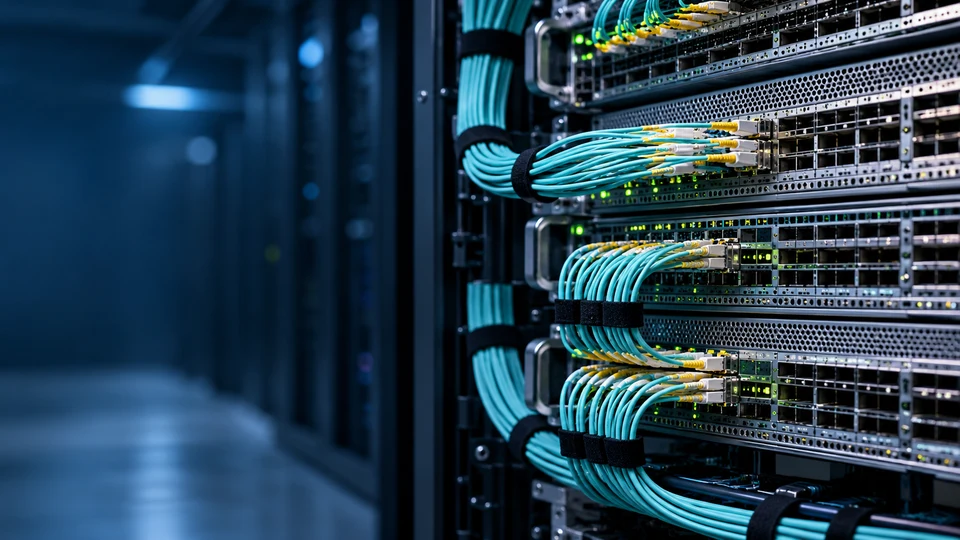
We design and automate BGP EVPN/VXLAN fabrics that scale out by adding switches rather than by forklift upgrades. We're vendor-neutral, and we're comfortable mixing new and certified secondary-market hardware where the numbers make sense.
- Fabric architecture, failure-domain and capacity planning
- Day-0 build and day-2 changes from the same code
- Virtual labs that mirror production before anything ships
- Hardware selection and procurement guidance

04 · Cloud & Kubernetes
Connect it, run it, see it.
The network does not stop at the data center edge. We build the connectivity into cloud and the platforms that run your services.
Hybrid connectivity
VPC design, site-to-cloud VPNs and interconnects, DNS and routing that behave the same on-prem and in the cloud.
Kubernetes platforms
GKE, EKS and AKS in the cloud, K3s at the edge. Deployments, secrets and ingress managed as code.
Observability
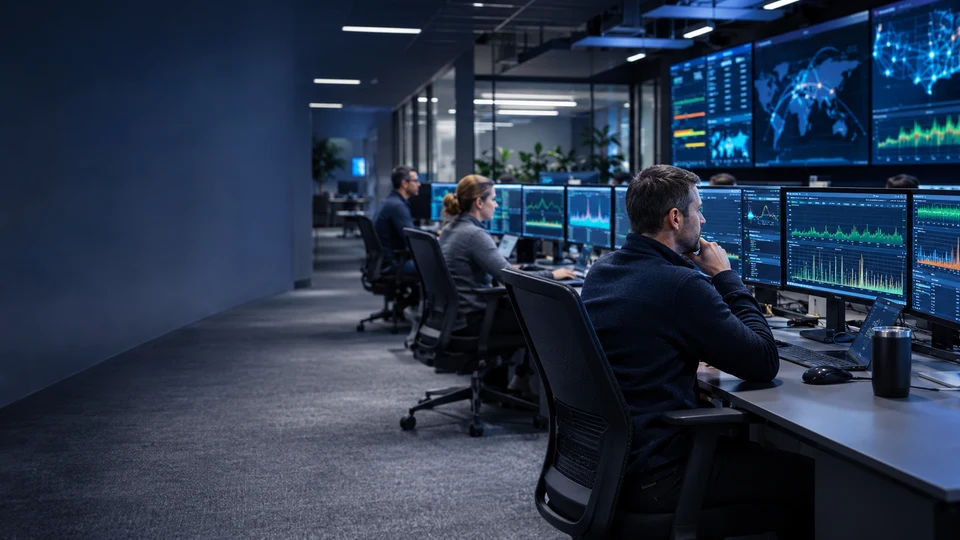
Prometheus, Grafana and alerting wired in from day one, including the network devices and not just the apps.


05 · Wireless & security
Segmented, encrypted, auditable.
Wi-Fi that's built to be shared
Guest and production networks kept apart, captive portals, client isolation and per-site policy pushed from one place.
Firewall policy as code
Zones and rules in version control with review and history, not hand edits nobody remembers making.
Secure remote access
WireGuard VPNs, pinned host keys, key-based and least-privilege access, and secrets that stay out of the repo.
06 · AI systems
Networks for AI, and AI at the edge.
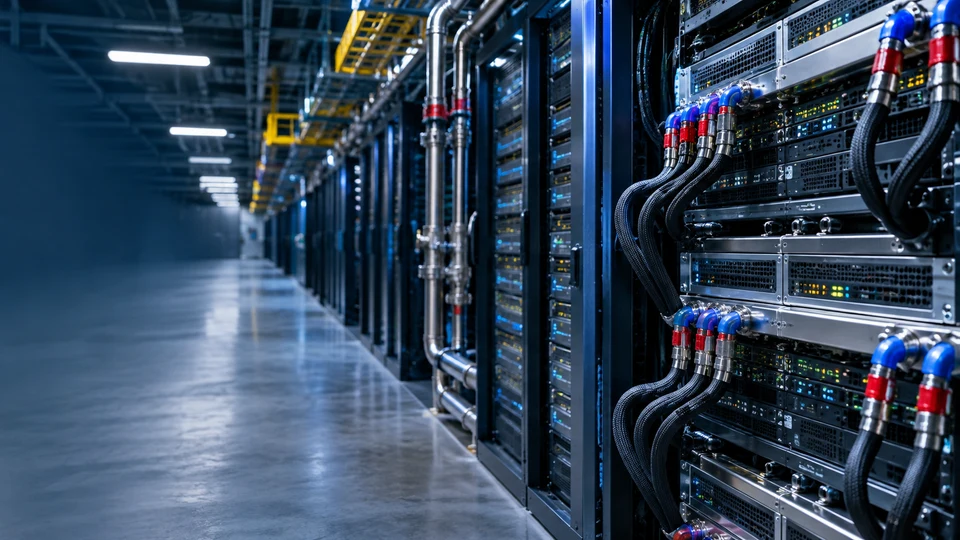
AI workloads are network workloads. Training and inference clusters need lossless, low-latency Ethernet fabrics; edge inference needs devices that run models locally and send only the results. We work on both, and we apply AI to day-to-day network operations.
- Ethernet fabrics for GPU clusters (RoCE, congestion control, rail designs)
- On-device vision and detection: accelerator vs. CPU, power and cost
- Event pipelines from edge to cloud, with metrics
- AI-assisted network operations and tooling

Engagements
Three ways to start.
Assessment
Two to three weeks. We review your network, tooling and team workflow and hand you a written, prioritized plan. Fixed scope, fixed price.
Build project
A defined outcome, such as a new fabric, an automated rollout or an edge platform, delivered as code with tests, docs and a handover.
Retained engineering
A senior network and automation engineer on call for your team: reviews, design decisions, escalations and steady improvement.
Not sure which fits?
Describe the problem and we'll suggest the smallest engagement that solves it.